// read the videos
Articles
Every explainer and showdown, written up from the same research and script behind the video. Built to skim, search, and link, not to bury the point.
-
 Explainer AI Agent Frameworks: Do You Actually Need One? An AI agent is a ~100-line loop. A framework does four jobs on top. Learn when LangGraph earns its keep, and why the first upgrade most teams need lives underneath.
 -
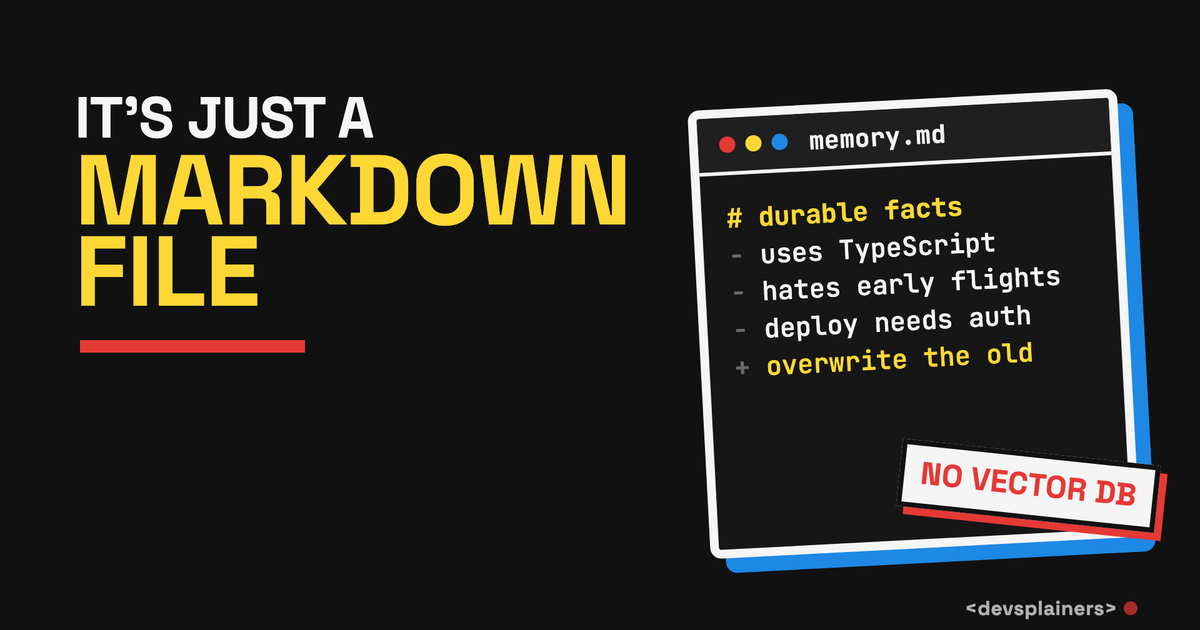 Explainer AI Agent Memory: Why Your Agent Forgets Everything AI agent memory is a control loop, not a database. Learn why your agent forgets, how context rot degraded all 18 top models Chroma tested, and the setup most agents need.
 -
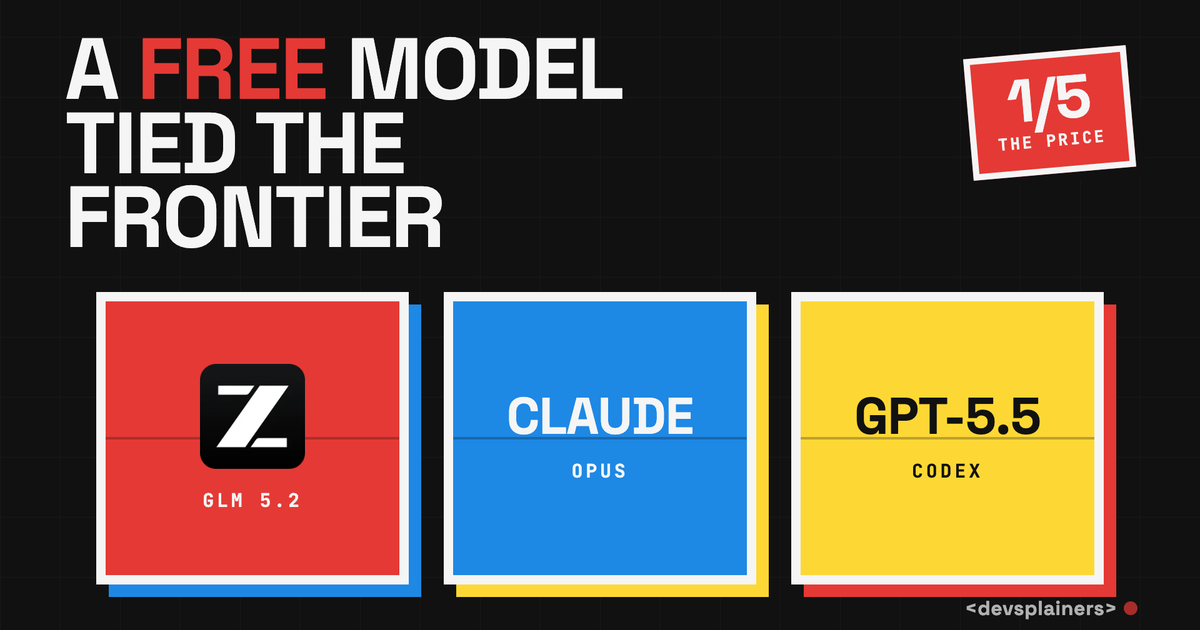 Tool Showdown GLM 5.2 vs Claude vs GPT: Did the Frontier Fall? GLM 5.2 is a free, open-weight model that tied Claude on 43 of 45 coding tasks. Where it beats Opus and GPT-5.5, where it breaks, and why it isn't cheaper.
 -
 Explainer Browser Fingerprinting: Why Incognito Can't Hide You Browser fingerprinting IDs your device without storing anything, so it survives incognito, cleared cookies, and VPNs. About 33 bits of signal name one human.
 -
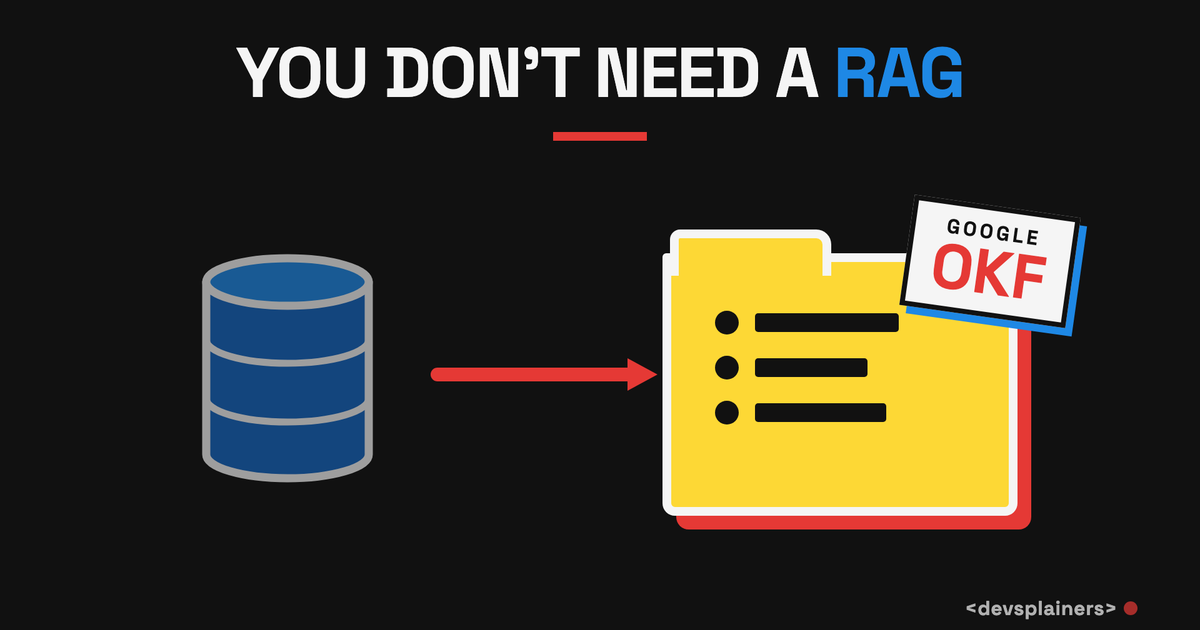 Explainer Open Knowledge Format: Why a Folder Beats RAG Google's Open Knowledge Format (OKF) stores agent knowledge as a folder of Markdown with one required field. It formalizes Karpathy's LLM wiki and undercuts RAG.
 -
 Explainer KV Cache Explained: The Memory Behind Your AI Bill The KV cache is the memory an LLM keeps while it writes. It drives your latency, context limit, and cost, and prompt caching built on it can cut repeat bills up to 90%.
 -
 Explainer Local LLM for Coding: When It Beats the Cloud A local coding model now runs free on a 24GB card, and in 2026 many developers stopped double-checking it against the cloud. Here is the line, and the catch.
 -
 Explainer AI Skill Atrophy: Is AI Making Devs Dumber? Two studies found the same thing: lean on an AI coding assistant and you finish a little faster, then score about 17% lower the moment it's taken away.
 -
 Explainer Claude Fable 5 Explained: Read the Fine Print First Claude Fable 5 is the strongest coding model released yet, and the most distrusted. At $10/$50 per million tokens, the catch is everything the launch hype skips.
 -
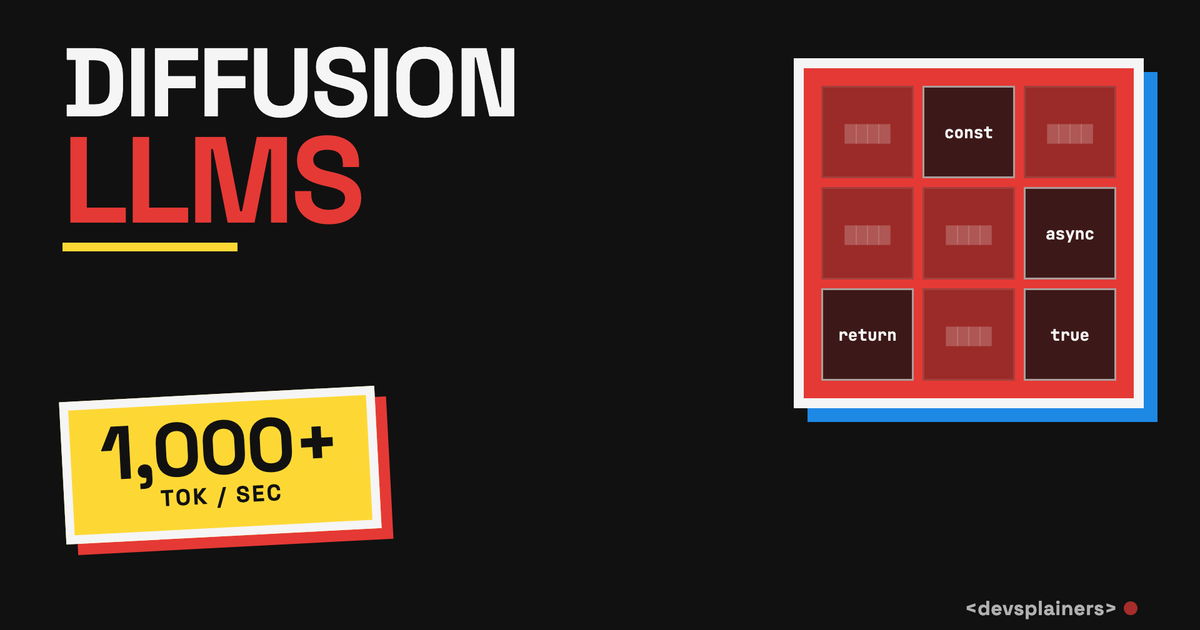 Explainer Diffusion LLMs Explained: 10x Faster Than GPT? Mercury Coder writes 1,100 tokens a second, roughly 10x faster than GPT or Claude, by predicting every word at once. How diffusion LLMs work, and where they break.
 -
 Explainer Gemma 4 12B: The Encoder-Free Model Explained Google deleted the encoder every multimodal model is built on, swapping ~700M of networks for a 35M reshape. How Gemma 4 12B works, and where it doesn't.
 -
 Explainer LLM Observability Explained: Why Your AI Lies to You LLM observability is how you catch an AI that fails politely with a 200 OK. Traces, evals, and LLM-as-judge, which agrees with humans ~80% of the time, explained.
 -
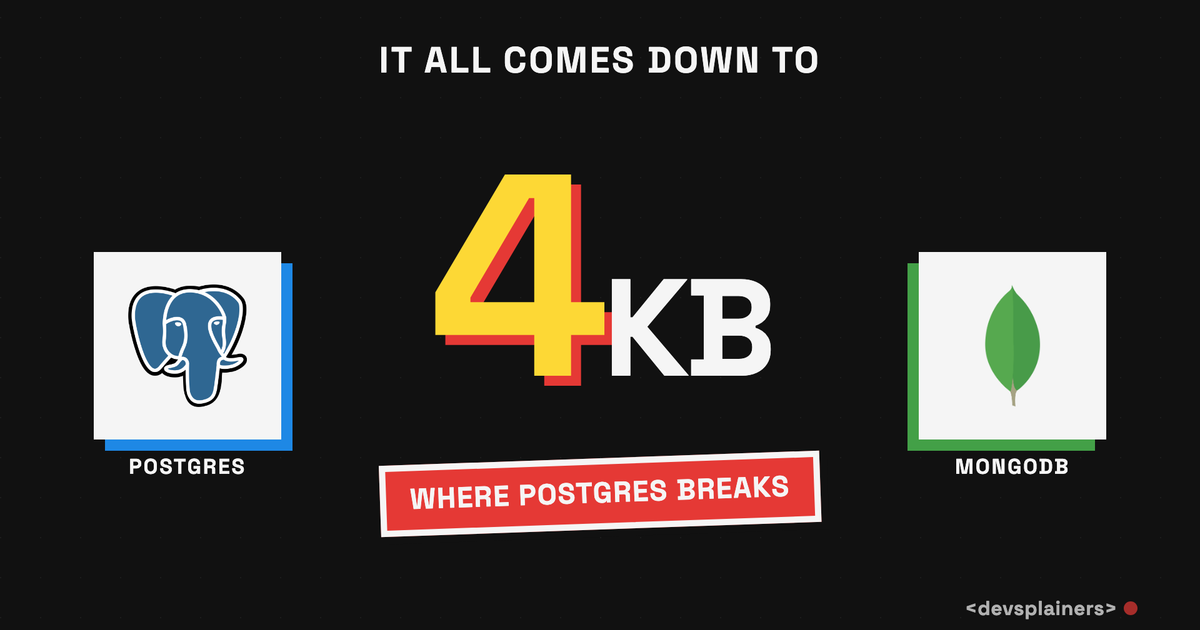 Tool Showdown Postgres vs MongoDB: When MongoDB Actually Wins Postgres vs MongoDB in 2026 comes down to one number: 4KB. Postgres hit 55.6% developer usage while MongoDB was the only major database to shrink. Here is why.
 -
 Tool Showdown AI App Builders Explained: Bolt, Lovable, Base44 Bolt, Lovable, and Base44 run the same rented model and database underneath. Here is what you actually pay for, and why one scan found 1 in 8 apps leaking data.
 -
 Explainer AI Code Review: The One Bug It Can Never Catch An AI code reviewer is mostly a deterministic pipeline with a model bolted on. Here is how it works, the one class of bug it can never catch, and how to wire one in.
 -
 Explainer AI Coding Costs: Why Your Bill Is About to Explode Flat-rate AI coding plans were quietly subsidized. Now the meter is on: one developer reported a $39 bill jumping to $942 overnight. Here is why, and the moves that cut it.
 -
 Explainer Google Is Speedrunning Its Own AI Graveyard Google just had its best AI week in years: a faster Gemini, custom chips, $190B in spend. Then it broke its paying developers' trust three times in seven days.
 -
 Tool Showdown Antigravity vs Claude Code vs Codex, Explained Antigravity, Claude Code, and Codex share one prompt box and three different brains. Gemini 3.5 Flash hits 280+ tok/s; Opus 4.7 scores 64% on SWE-Bench Pro.
 -
 Tool Showdown Ollama vs LM Studio vs llama.cpp, Explained Simply Ollama vs LM Studio vs llama.cpp in 2026: two of them quietly run the third, all three land within ~10% on speed, and one famous 37% gap is a defaults bug.
 -
 Explainer Why OpenAI's Top Researchers Keep Joining Anthropic Since late 2023, about 11 named senior OpenAI researchers have walked to Anthropic and zero went back. It is not the money. Here is what is actually pulling them.
 -
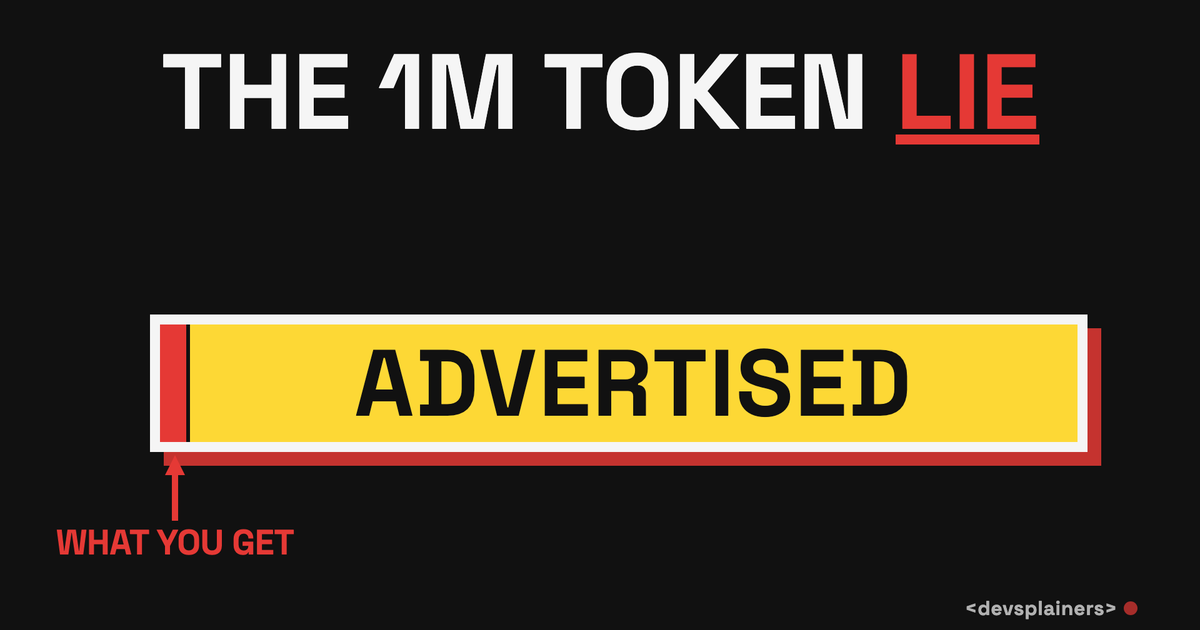 Explainer Context Window Explained: Why 1M Tokens Still Forget A context window is the fixed buffer an LLM reads in one pass. The advertised 1M tokens and the ~32K you actually get sit 30x apart. Why, and the fix.
 -
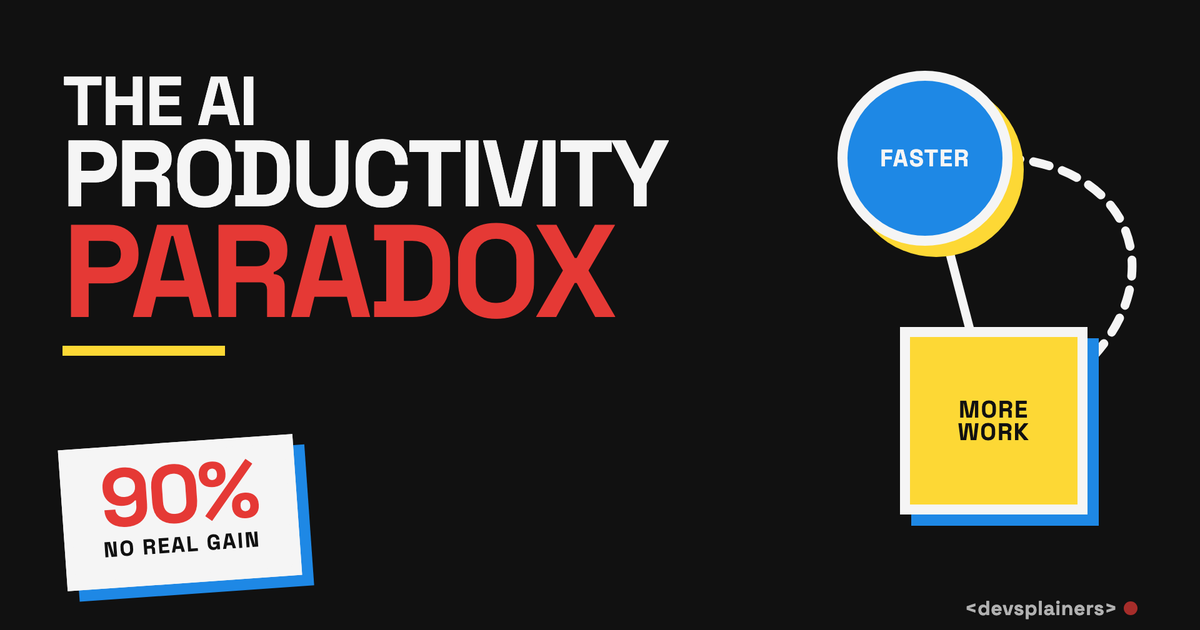 Explainer The AI Productivity Paradox, Explained Simply The AI productivity paradox: devs ship 66% more code, yet roughly 90% of companies report no productivity gain. Where the saved time goes, and why.
 -
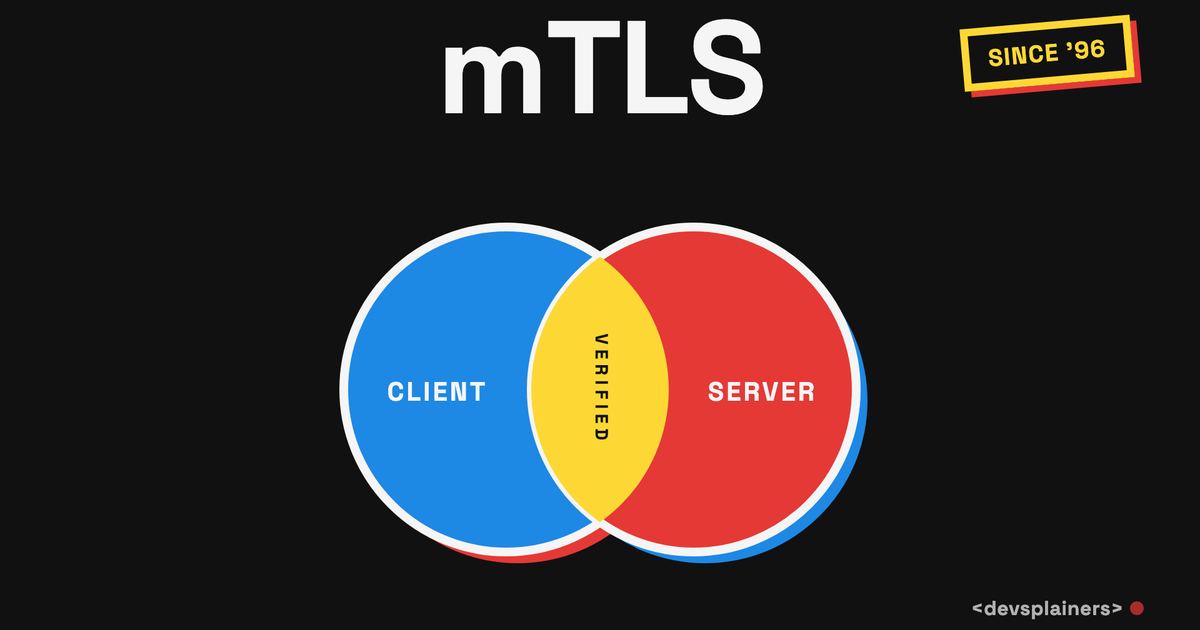 Explainer mTLS Explained Simply: TLS's 30-Year-Old Fix mTLS makes both client and server prove their identity with certificates. The feature has shipped in TLS since 1996, and microservices finally made it the default.
 -
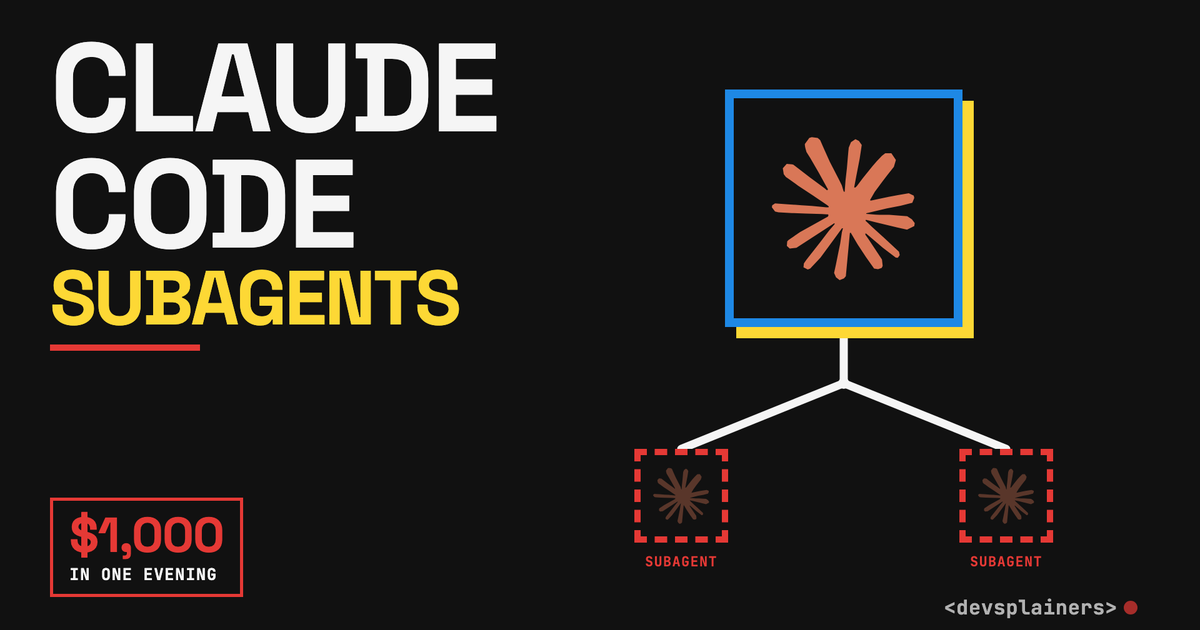 Explainer Claude Code Subagents: When They Earn Their Keep Claude Code subagents protect your 200k context window, not your headcount. Why isolation is the real win, why they burn 4–7x more tokens, and when to use them.
 -
 Explainer Agentic Engineering Explained: Vibe Coding Is Over Agentic engineering picks up where vibe coding ends. Why an AI agent wiped a production database in 9 seconds, and the engineering patterns built to prevent it.
 -
 Explainer Spec-Driven Development Explained Simply Spec-driven development makes AI build from a markdown spec, not vibes. A 2026 look at the data, the tools, and the test that ran 10x faster without it.
 -
 Explainer Multi-Token Prediction (MTP), Explained Simply MTP makes local LLMs run up to 3x faster with zero quality loss by predicting several tokens at once. How it works, the real speedups, and where it breaks.
 -
 Tool Showdown Codex vs Claude Code: Why Top Devs Use Both Claude Code wins 67% of blind code-quality tests; 65% of devs prefer Codex day-to-day. A 2026 comparison of where each tool wins, fails, and how to route between them.
 -
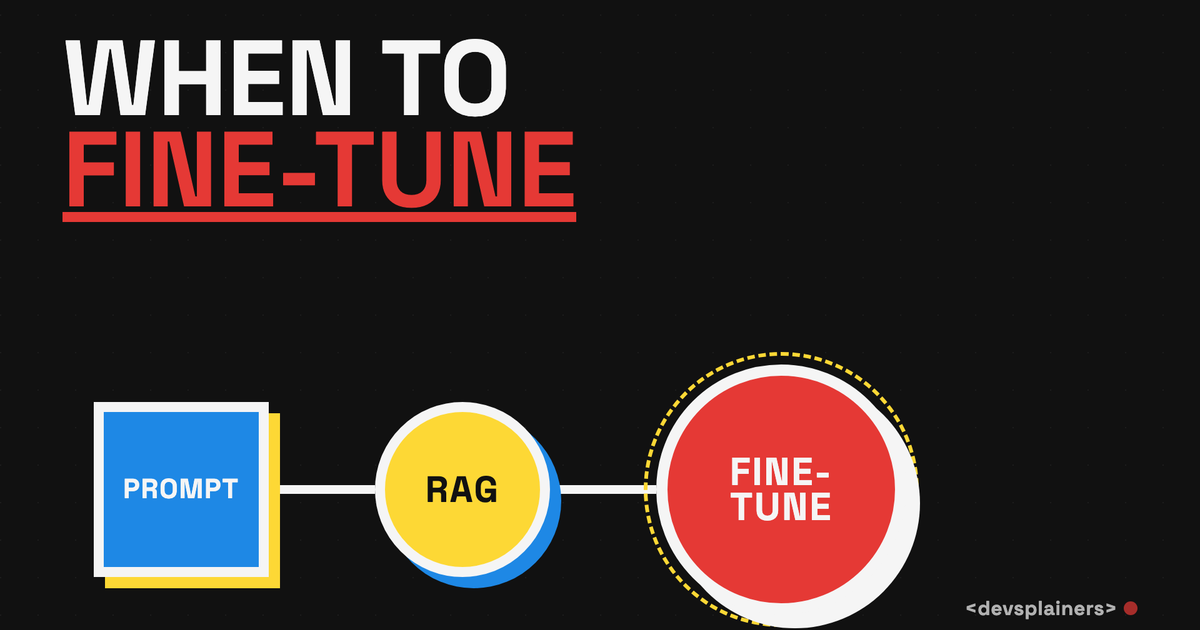 Explainer RAG vs Fine-Tuning vs Prompt Engineering, Explained Fine-tuning changes the model, RAG changes its knowledge, prompting changes the request. A 2026 guide to which one fixes your failure, with real production cases.
 -
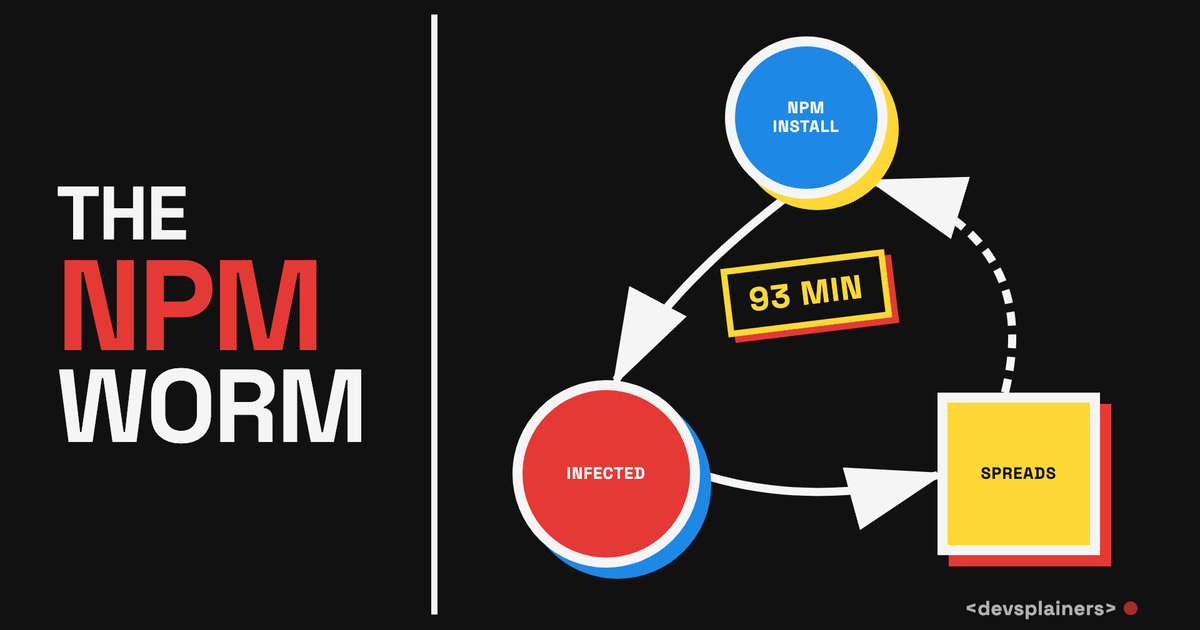 Explainer npm Supply Chain Attack: How the Worm Spreads A malicious Bitwarden CLI sat live on npm for 93 minutes in April 2026. Here is how the self-spreading Shai-Hulud worm works, and what actually stops it.
 -
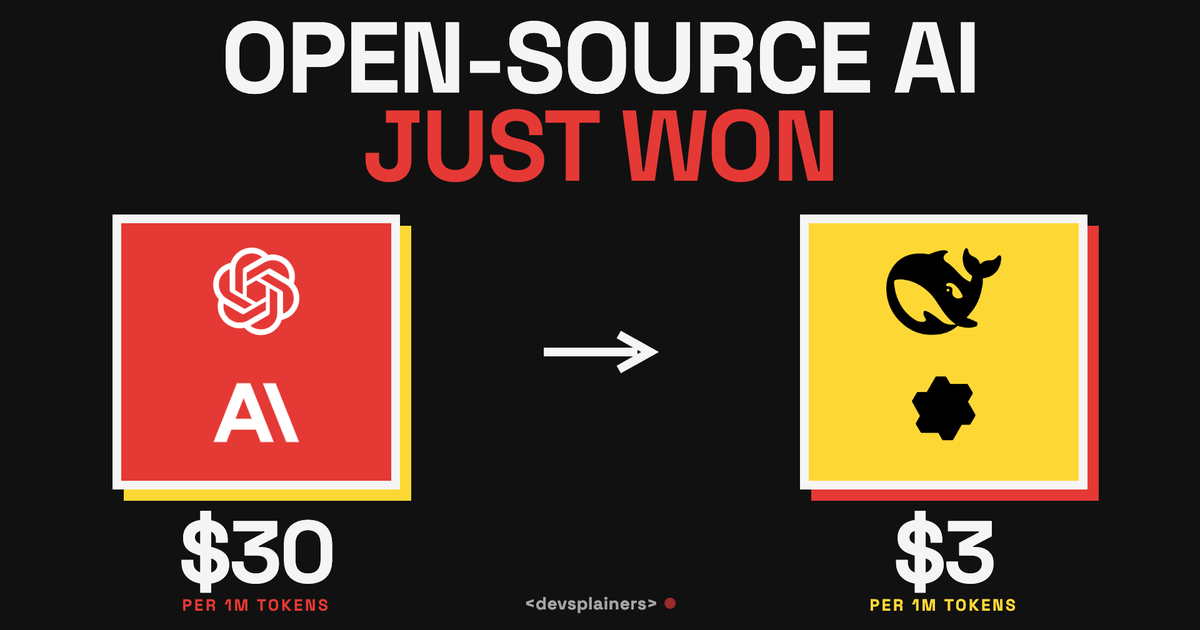 Tool Showdown DeepSeek V4 vs GPT 5.5: Why Open Weights Won DeepSeek V4 launched at $3.48 per million output tokens, one-eighth of GPT 5.5. A 2026 comparison of price, benchmarks, and when each model is the right call.
 -
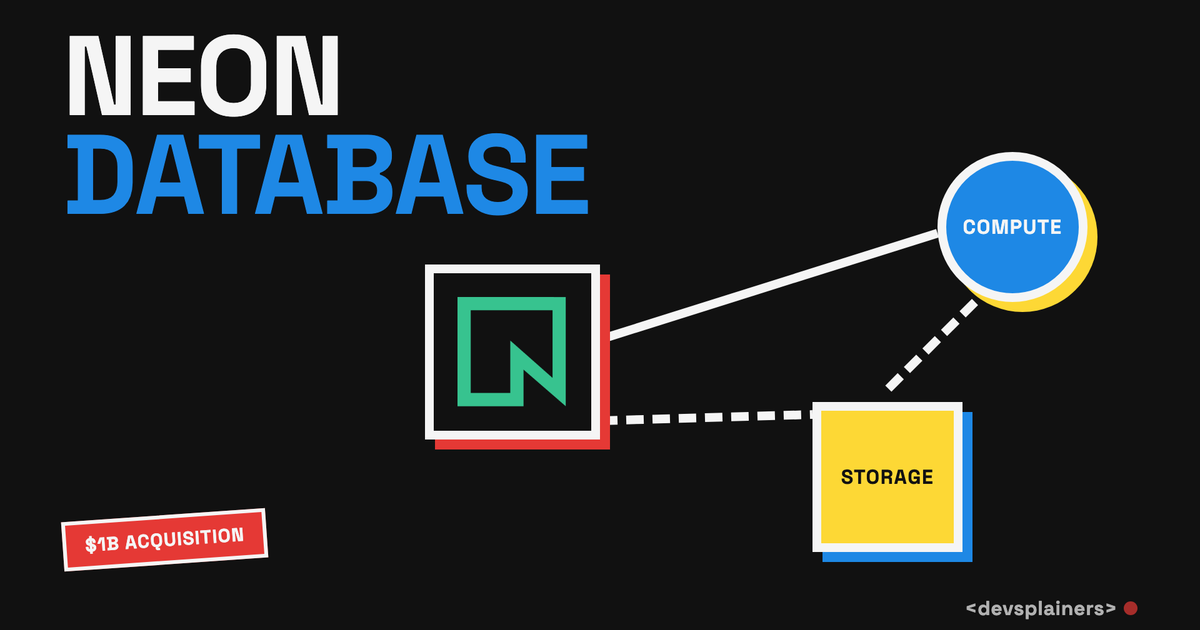 Explainer Neon Database Explained: Serverless Postgres Neon is serverless Postgres that splits compute from storage to scale to zero and branch in one second. Over 80% of its databases are created by AI agents, not people.
 -
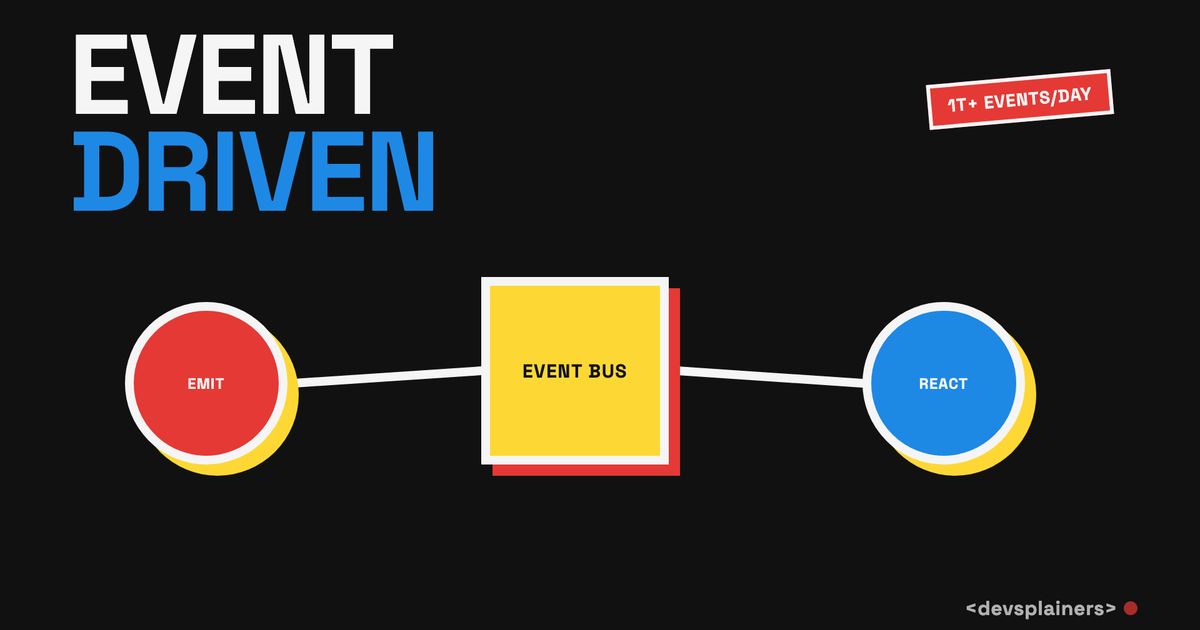 Explainer Event-Driven Architecture Explained Simply Event-driven architecture lets services react to facts instead of calling each other directly. How it works, the four patterns, and why Netflix runs a trillion events a day.
 -
 Tool Showdown Vitest vs Jest: Which Should You Use in 2026? Vitest runs up to 28x faster in watch mode and ships zero-config on Vite, but Jest still owns React Native. A 2026 comparison of speed, features, and when to pick each.
 -
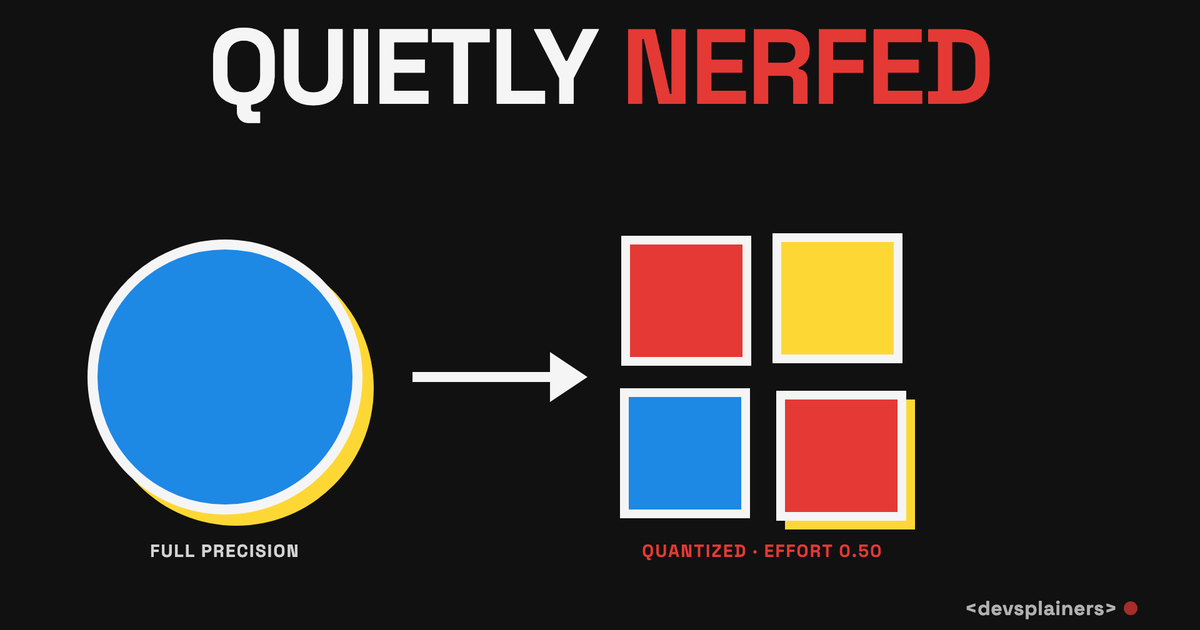 Explainer Why Claude, GPT & Gemini Keep Getting Worse An AMD director logged 6,852 Claude Code sessions and measured a 67% drop in reasoning depth. Why Claude, GPT and Gemini quietly degrade, and what to do about it.
 -
 Tool Showdown Astro vs Next.js: Which One Should You Pick in 2026? Astro ships 90% less JavaScript than Next.js, yet Next.js has 20x the downloads. A 2026 comparison of performance, features, jobs, and when to pick each.
 -
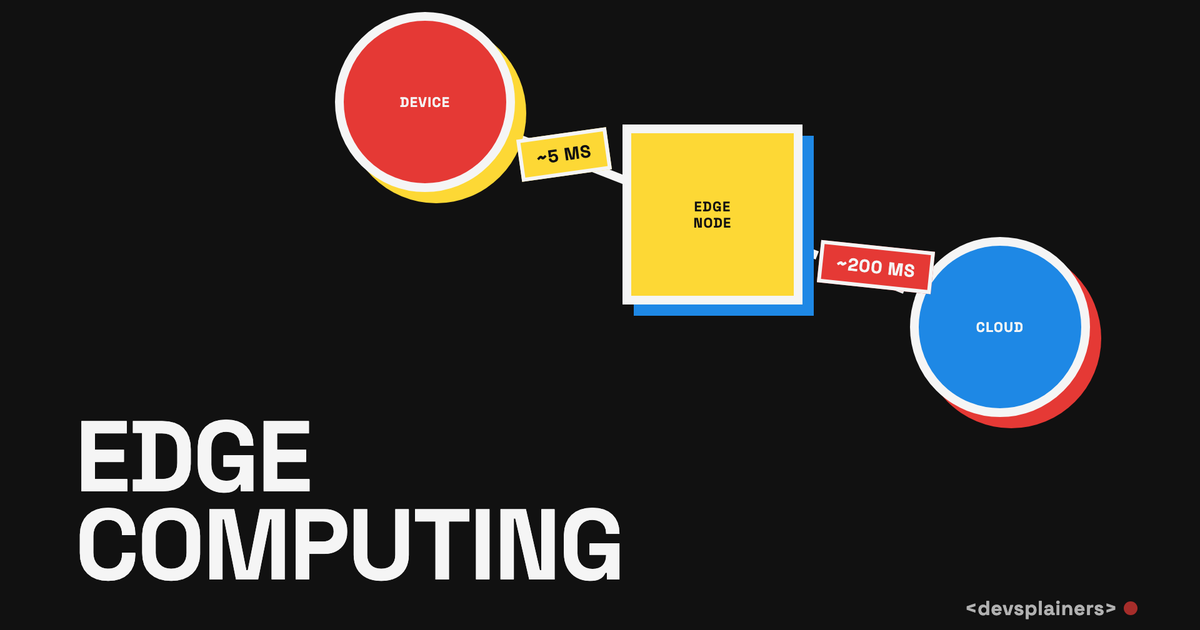 Explainer Edge Computing Explained: How It Works and When to Use It Edge computing moves processing next to your data, so decisions happen in under 10 ms instead of a 200 ms cloud round-trip. How it works, with real examples.
 -
 Explainer Agentic AI Explained: How AI Agents Work Agentic AI is an LLM wrapped in a loop with tools. How the five-stage cycle works, where it runs in production, and why only 2% of firms deploy it at scale.
 -
 Explainer Claude Mythos: The AI Too Dangerous to Release Claude Mythos is the frontier AI model Anthropic built, then refused to ship. It wrote 181 working Firefox exploits to Opus 4.6's 2. Here is the full story.
 -
 Explainer Harness Engineering: Why AI Agents Need It Harness engineering is the system built around an AI model that makes agents reliable. OpenAI shipped ~1M lines of code with it, none typed by hand. Here is how it works.
 -
 Tool Showdown OpenClaw vs LangGraph vs CrewAI, Explained Simply OpenClaw vs LangGraph vs CrewAI for 2026: one is a product you message, two are code frameworks. OpenClaw hit 335K GitHub stars in four months. Here is the real fit.
 -
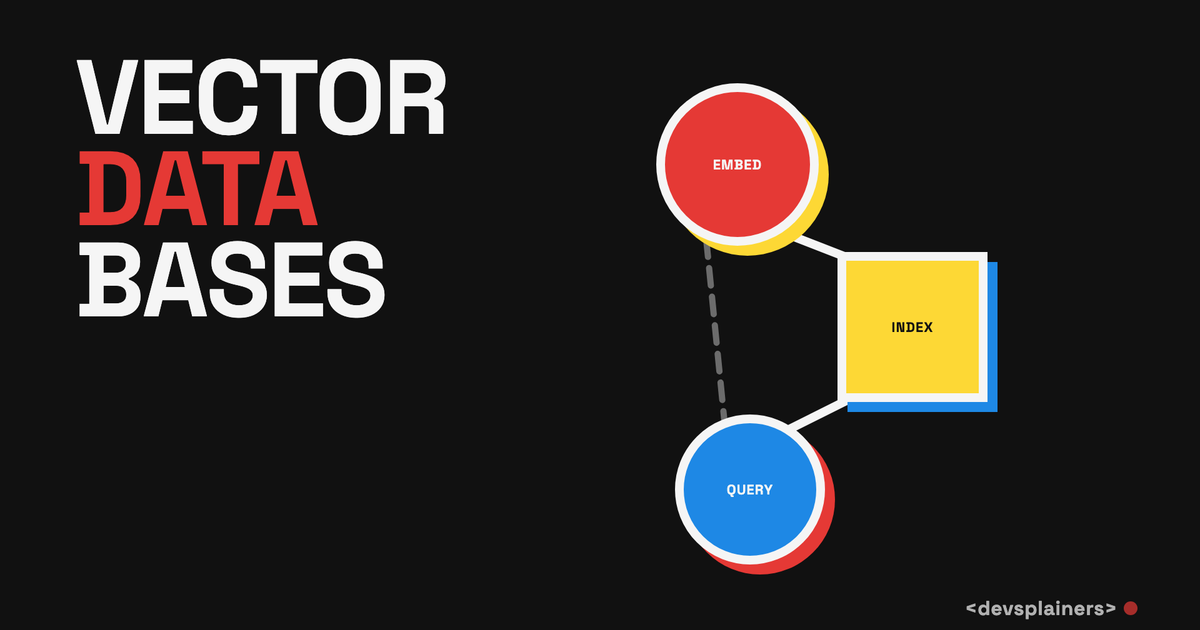 Explainer Vector Databases Explained: How They Actually Work A vector database searches by meaning, not keywords, turning text into coordinates so similar things land close. HNSW finds the nearest match in under a millisecond.
 -
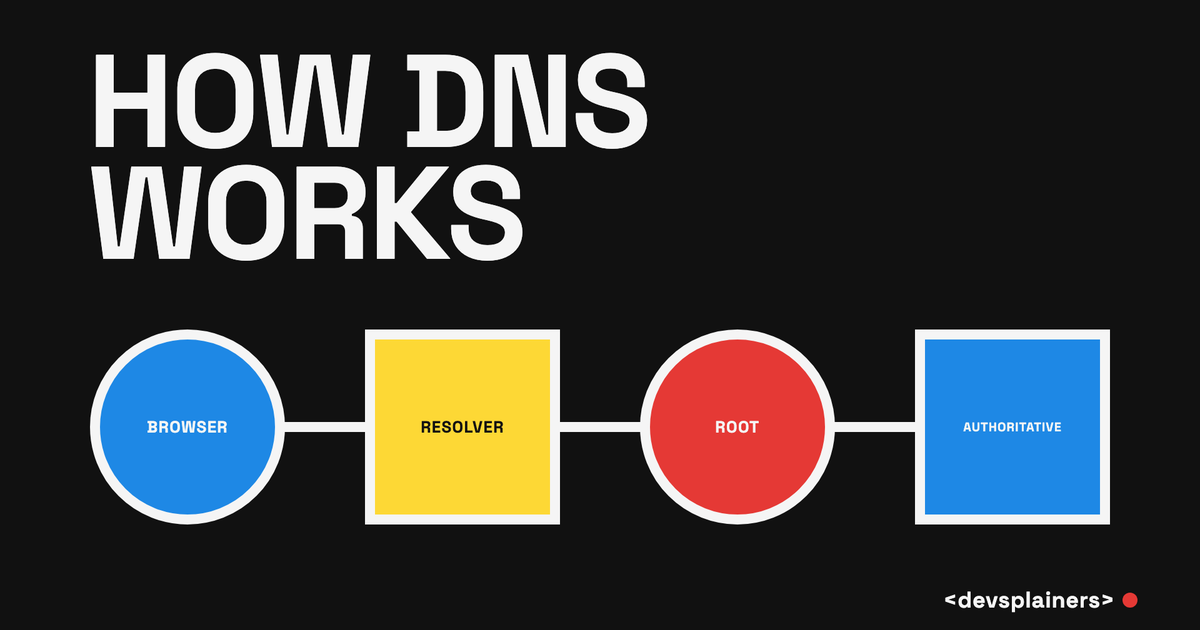 Explainer How DNS Works: The Domain Name System, Explained DNS turns names like google.com into IP addresses, and most lookups never leave a cache. Cloudflare's 1.1.1.1 alone fields about 1.9 trillion a day. Here's how.
 -
 Tool Showdown Vercel vs Netlify vs Cloudflare Pages in 2026 Vercel vs Netlify vs Cloudflare Pages, compared for 2026: real pricing, cold starts, and the $104,500 bill that shows why bandwidth decides everything.
 -
 Explainer How Data Centers Actually Work, Explained Simply A data center is the real building your code runs in. Here's how its power, cooling, security, and spine-leaf networking work, and why AI pushed racks past 132 kW.
 -
 Tool Showdown Supabase vs Firebase: Which Backend Wins in 2026? Supabase vs Firebase compared for 2026: SQL vs NoSQL, security, real-time, and pricing that runs from $25 to over $10,000 a month at scale. Which to pick.
 -
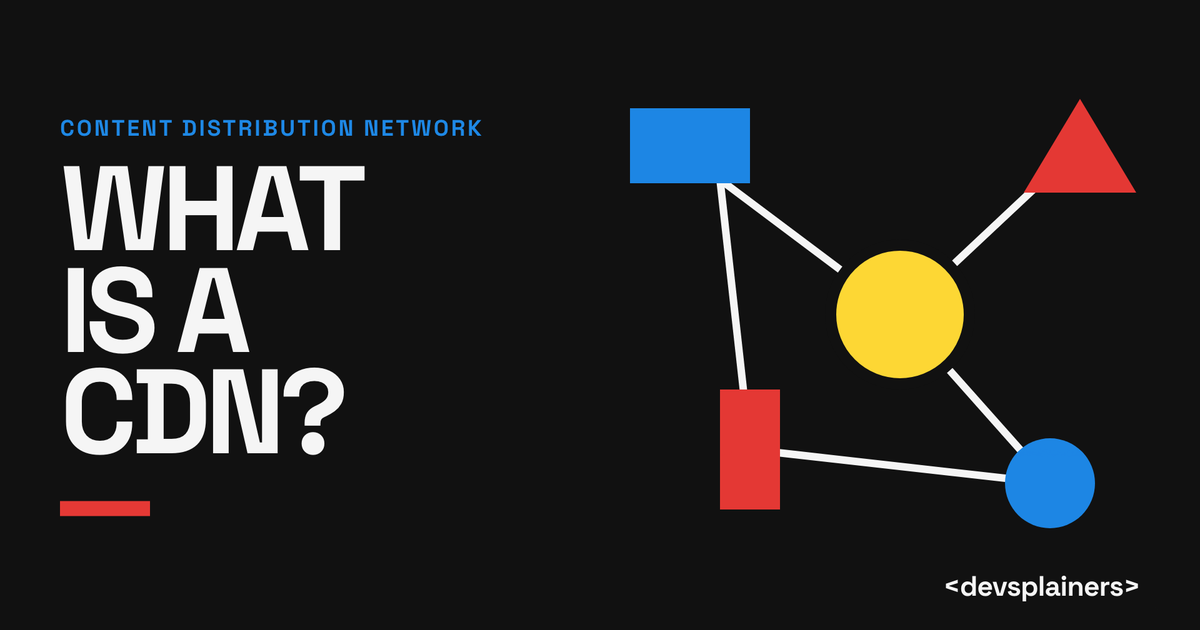 Explainer What Is a CDN? Content Delivery Networks, Explained A CDN copies your site to servers worldwide so visitors load it from nearby. Cached pages can return about 151x faster than a miss. Here's how CDNs work.
 -
 Explainer What Is MCP? The Model Context Protocol, Explained Simply MCP, the Model Context Protocol, lets any AI app connect to any tool through one open standard. 97M downloads a month. Here is how it works and where it breaks.